
2 Dog Massage Techniques Every Dog Owner Should Know

Learn Two Safe Massage Techniques You Can Use at Home to Help Your Dog Feel Their Best
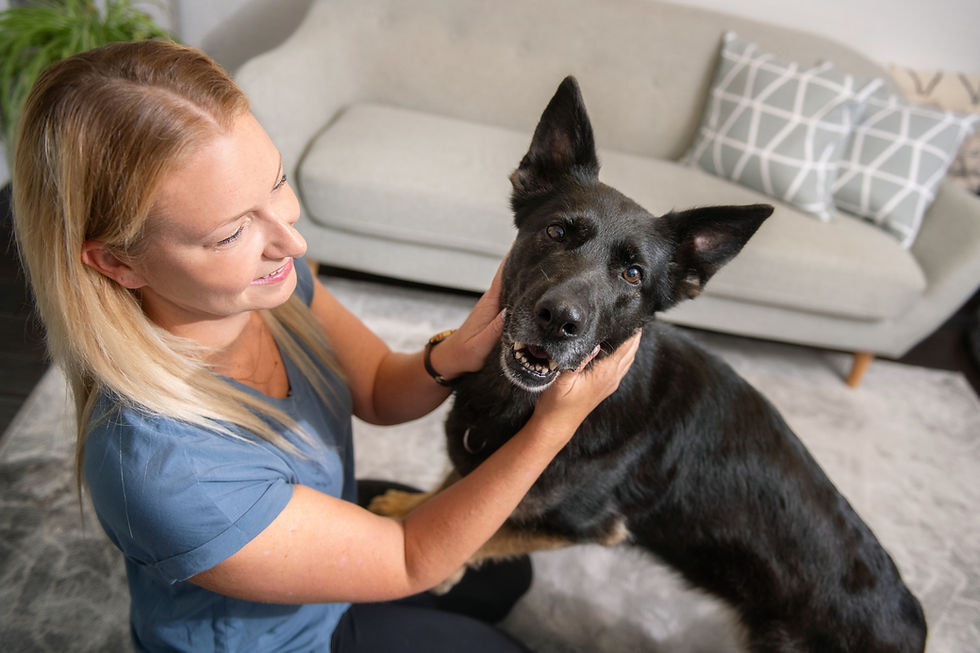
Whether your dog is a weekend hiking buddy, a senior companion, or a competitive canine athlete, dog massage is one of the easiest ways to support their comfort, mobility and overall well-being.
Many people think they can't learn how to massage their dog at home. While advanced assessment and treatment require specialized training, there are several safe techniques that every dog owner can learn to help their dog relax and feel more comfortable.
In this article, I'll introduce two of the most effective foundational techniques used in dog massage: effleurage and petrissage.
These techniques are simple enough to learn at home and can become part of your regular wellness routine.

Why Learn Dog Massage?
Massage isn't just about relaxation.
When performed correctly, dog massage may help:
Improve circulation
Reduce muscle tension
Increase body awareness
Encourage relaxation
Support recovery after activity
Strengthen the bond between you and your dog
Regular touch also helps you become familiar with what is normal for your dog's body. You may notice new lumps, bumps, areas of swelling or changes in muscle tone earlier than you otherwise would.
Remember: Dog massage should never replace veterinary care. If your dog is painful, suddenly lame, has a fever or has another medical concern, consult your veterinarian before performing massage.
Technique #1: Effleurage
Effleurage (pronounced eh-fleur-ahzh) is usually the first technique I teach new dog owners because it's gentle, calming and appropriate for most healthy dogs.
Think of it as long, smooth gliding strokes that follow the direction of your dog's muscles.
Benefits of Effleurage
Effleurage can help:
Warm up soft tissues
Improve circulation
Encourage relaxation
Reduce mild muscle tension
Help your dog become comfortable with being handled
Because it's such a gentle technique, it's often used at both the beginning and end of a massage session.
How to Perform Effleurage
Start with your dog standing or lying comfortably.
Use a relaxed, open hand.
Glide slowly along large muscle groups such as the shoulders, back, hips and thighs.
Apply light to moderate pressure. Your dog should remain relaxed throughout.
Work slowly and rhythmically, allowing your dog to settle into the experience.
Watch your dog's body language as you work. Soft eyes, relaxed breathing, and loose muscles are all good signs that your dog is comfortable.

Technique #2: Petrissage
Once the muscles are warmed with effleurage, petrissage can be introduced.
Petrissage involves gently lifting, squeezing, rolling, or kneading the muscle tissue.
This technique reaches deeper muscles than effleurage and is commonly used by professional dog massage therapists.
Benefits of Petrissage
Petrissage may help:
Improve circulation to muscles
Reduce muscle tightness
Encourage flexibility
Promote relaxation after activity
Support healthy muscle function
How to Perform Petrissage
Using your thumb and fingers:
Gently lift the muscle away from the underlying structures.
Apply a slow, gentle squeeze.
Release.
Continue working along larger muscles such as the shoulders, thighs, or neck.
Avoid pinching the skin or applying excessive pressure. The movement should feel slow, controlled and comfortable for your dog.
*If your dog moves away, stiffens, or appears uncomfortable, reduce the pressure or stop altogether.

When Should You Massage Your Dog?
Dog massage can be incorporated into many routines, including:
After a walk or hike
Following a training session
During recovery days
Before bedtime as part of a calming routine
During regular wellness checks to become familiar with your dog's body
Even five to ten minutes a few times each week can be beneficial.
Common Mistakes to Avoid
If you're new to dog massage, keep these tips in mind:
Don't massage an injured area unless advised by your veterinarian or qualified professional.
Never force your dog to stay in one position.
Avoid working directly over bones, joints, wounds, or areas of inflammation.
Let your dog's body language guide the session.
Stop if your dog appears uncomfortable or stressed.
Massage should always be a positive experience.
Want to Learn Dog Massage with Confidence?
Learning the correct techniques, pressure and body mechanics makes all the difference.
If you'd like step-by-step instruction, demonstrations, and guidance on safely performing dog massage at home, my Online Dog Massage Course is designed specifically for dog owners.
In the course, you'll learn:
Safe massage techniques
Basic canine anatomy
How to recognize muscle soreness
Proper body positioning
When massage is appropriate and when it isn't
How to build a simple home massage routine for your own dog
👉 Ready to learn more?Explore my Online Dog Massage Course here.
Need More Individualized Help?
While home massage is a wonderful way to support your dog's well-being, some dogs benefit from professional assessment and treatment.
If your dog is showing signs of stiffness, decreased performance, muscle soreness or reduced mobility, I'd be happy to help.
Professional dog massage sessions can identify areas of tension, improve comfort and create a treatment plan tailored to your dog's individual needs.

Dog massage doesn't need to be complicated to make a difference.
Learning just two foundational techniques effleurage and petrissage can help you support your dog's comfort, strengthen your bond and become more aware of changes in their body over time.
Whether you're caring for a playful puppy, an aging companion or a canine athlete, a few minutes of thoughtful, gentle massage can become a valuable part of your dog's wellness routine.
If you'd like to take your skills further, I'd love to help you through my online course or by working with your dog in person.

Comments